-

Why choose cardiac rehab?
Read more: Why choose cardiac rehab?What is cardiac rehabilitation? Cardiac rehabilitation is a medically supervised and individualized program designed to improve cardiovascular health in those who’ve experienced a heart attack, heart failure and angioplasty or heart surgery. The program consists of 36, one-hour sessions that span about three months. During that time, we have the privilege of knowing our patients…
-

Signs and Symptoms of Bladder Cancer
Read more: Signs and Symptoms of Bladder CancerMay is Bladder Cancer Awareness Month, the perfect time to focus on public awareness and education about this disease. Early detection is a critical step in working towards a cure! Who is at risk for bladder cancer? There are some of the more common risk factors: Smoking is the most well-known cause of bladder cancer.…
-
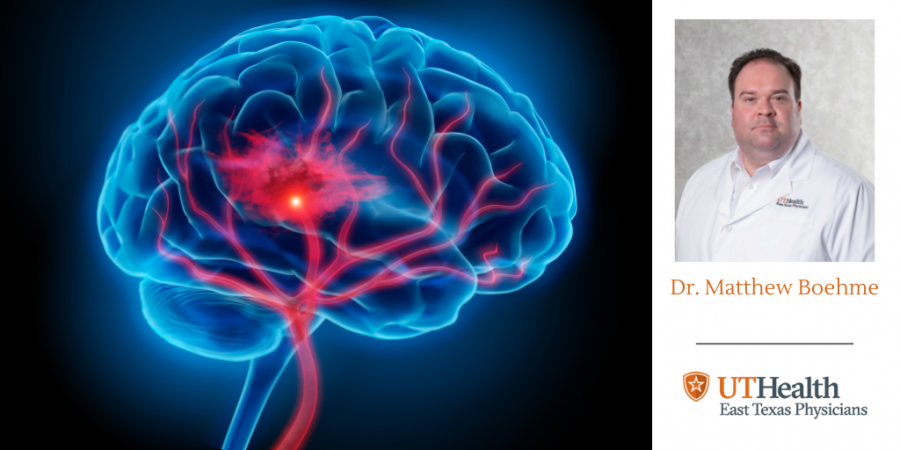
Five Tips to Prevent a Stroke
Read more: Five Tips to Prevent a StrokeStrokes are the fifth leading cause of death in the U.S. They are either caused by a blood clot or bleeding in the brain and often cause chronic disability, which becomes a need for long-term care. The burden of long-term care often falls on the family and can be a major concern for many patients.…
-

Stroke and Minority Health
Read more: Stroke and Minority HealthStroke remains the leading cause of death among all Americans, with more than 795,000 people in the United States experiencing a stroke annually. Many risk factors of stroke can be treated, modified or controlled; however, some cannot. These are called controllable vs. uncontrollable risk factors: Controllable Risk Factors High blood pressure Smoking Heart disease High…
-

Don’t break your heart! Tips on preventing heart disease
Read more: Don’t break your heart! Tips on preventing heart diseaseHeart disease is the leading cause of death in the United States. One person dies of heart disease every 36 seconds, equaling about 655,000 deaths per year in America. Here are some tips on preventing heart disease. Eat better Eat plenty of fresh fruits and vegetables. Eat foods high in fiber such as beans, fruits,…
-
Keeping Kids Healthy This Spring
Read more: Keeping Kids Healthy This SpringSpring brings about new life to our landscape, along with warm, sunny days. As we begin to spend more time outside and near the water, it is important that we know how to keep our kids healthy and safe this time of year. Sunscreen Did you know that just a few severe sunburns during childhood…
-

Racial and Ethnic Disparities in Women’s Health
Read more: Racial and Ethnic Disparities in Women’s HealthDisparities in health and healthcare are most likely to occur among women of racial and ethnic minority groups, socioeconomically disadvantaged populations and underserved rural populations. These disparities continue to affect healthcare despite increasing recognition among patients and providers. Studies have shown while current health status, disease risk factors, access to healthcare, genetics, social, economic and…
-

Preventive healthcare in minority populations
Read more: Preventive healthcare in minority populationsPreventive care consists of measures taken for disease prevention. It is the most important step you can take to manage your health. Many of the highest risk factors leading to illness and early death are preventable. Examples of preventive healthcare include cancer screening, vaccinations, healthy eating and not smoking. The opportunity to be healthy is…
-

The Importance of Nutrition
Read more: The Importance of NutritionThis month, we are emphasizing the importance of nutrition. According to the Centers for Disease Control and Prevention (CDC), healthy nutrition is profoundly important in keeping Americans in good health throughout their lives. People with healthy patterns of eating have been shown, on average, to live longer and to be at lower risk for several…
-

Importance of Rehabilitation after a Brain Injury
Read more: Importance of Rehabilitation after a Brain InjuryEvery nine seconds, someone in the United States sustains a brain injury, and according to the Brain Injury Association of America, one in every 60 Americans is living with the long-term effects of brain injury. After a brain injury, patients may experience cognitive, psychological and physical deficits that have a profound effect on their day-to-day…