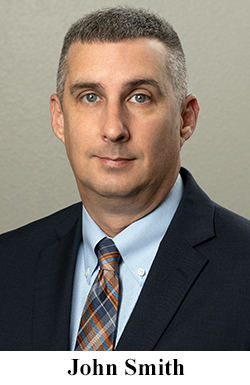
John Smith’s career reflects a steady sense of purpose shaped by years of service and the quiet confidence that comes from having been there when it mattered most — first as a paramedic and later as a leader responsible for entire communities.
Those early, hands-on experiences still guide him, especially moments when a patient survived against the odds. “That’s what makes you come back and do it every day,” he says. “You get to be part of that.”
Over time, Smith moved into leadership, a transition that changed the scale — but not the purpose — of his work. He recalls advice that helped him make the shift: he could either “take care of one patient at a time” or “start impacting hundreds of patients at a time.”
That broader view now defines his role. Instead of individual calls, he spends his days thinking about “the half a million people that we’re responsible for” and whether the system is ready when they need it.
Constant coordination
Today, Smith oversees a large EMS operation across East Texas, covering more than 4,500 square miles with about 450 team members and dozens of vehicles. The size of the system requires constant coordination — staffing, equipment and readiness must all line up. As he puts it, “there are a million things that go through our heads every day,” a reflection of the ongoing attention required to keep everything running smoothly.
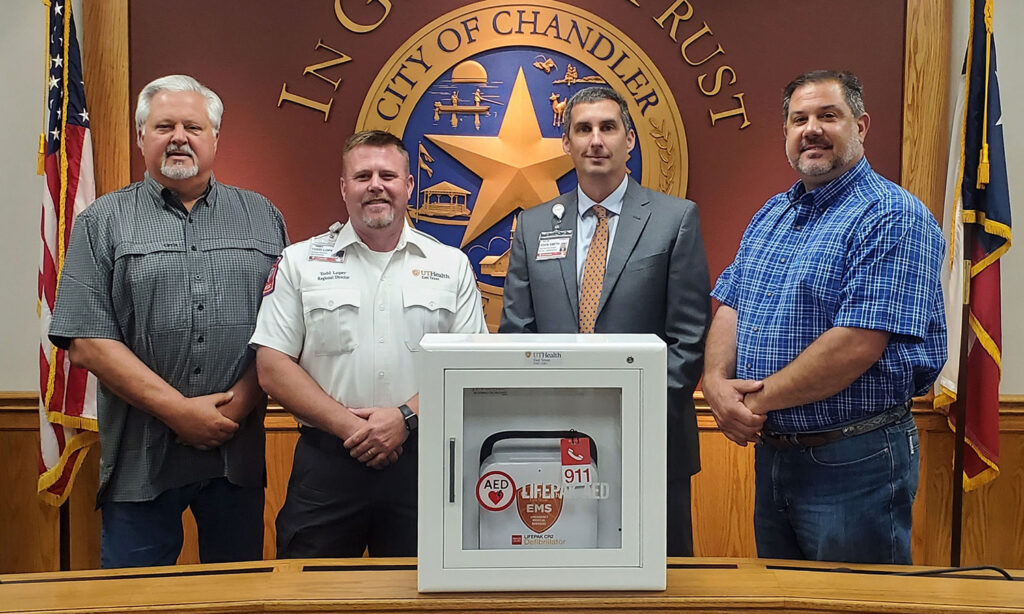
Part of that complexity comes from the many groups he serves. “We have lots of bosses,” he says, referring to city and county leaders who rely on the service. Those relationships shift with each election cycle, requiring steady communication and trust. Smith approaches that responsibility with a straightforward mindset, emphasizing honesty and accountability when challenges arise.
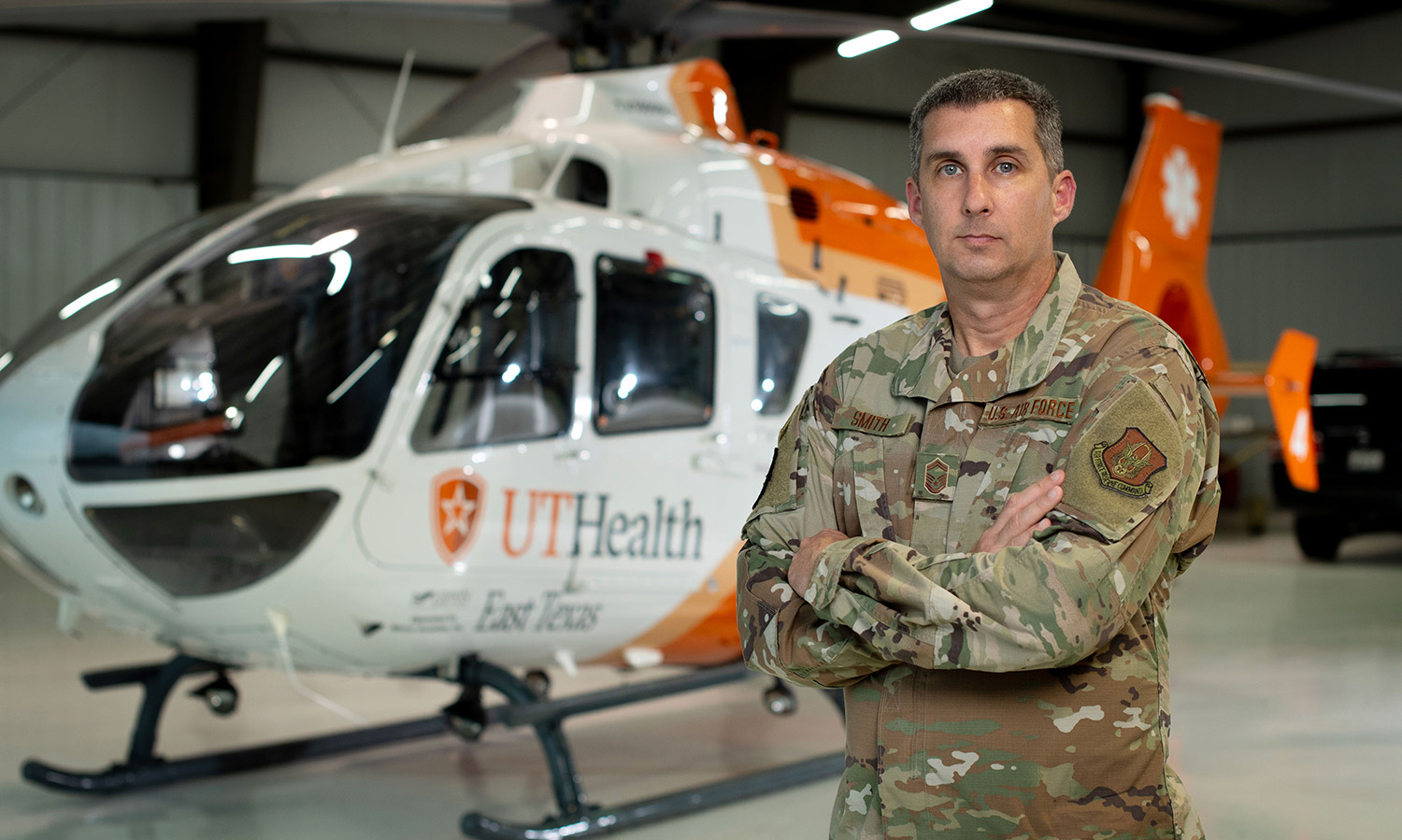
Alongside his EMS career, Smith has built a second path in the Air Force Reserve, where he serves as a Chief Master Sergeant — the highest enlisted rank. His work there focuses on aircraft maintenance, “purely to fix B-52s,” but the leadership experience carries over into his civilian role. Exposure to different approaches and ideas has shaped how he leads, and he often brings those lessons back to his team, adapting what works in one setting to another.
Team building
Even with the scope of his responsibilities, Smith finds meaning in supporting others. Mentoring staff and building a strong, consistent culture are important parts of his role. He and his leadership team work to model clear expectations and pass them along, helping newer team members grow into their positions.
He also understands how easily the work can go unnoticed. “People don’t understand how important an ambulance is until they need it,” he says, pointing to the behind-the-scenes effort required to meet those expectations. For him, success is often quiet — systems working as they should, teams prepared, and communities supported.
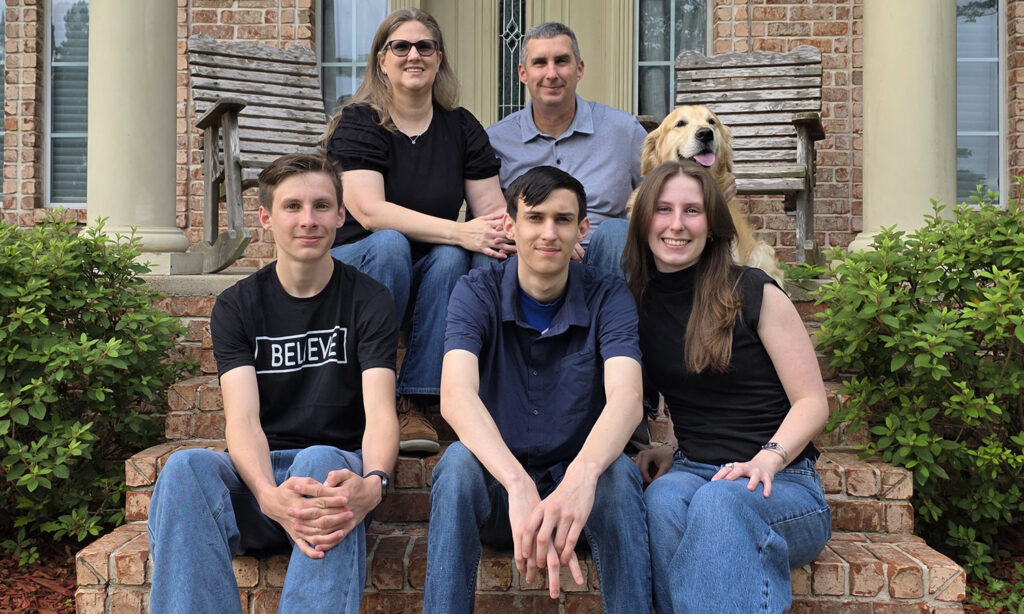
At home, life is beginning to slow down a bit. As their children become increasingly independent, he and his wife, Katrina, have begun taking short trips whenever possible. They look for destinations that offer a mix of interests — “she likes the museums,” while “I like the history,” he says — and have recently visited places like Boston and Philadelphia.
Taken together, Smith’s career shows a consistent, thoughtful approach to both leadership and service. Whether as a paramedic, a manager or a member of the Air Force, his focus remains practical and steady: making sure people are supported, systems are reliable, and teams are prepared for whatever comes next.