
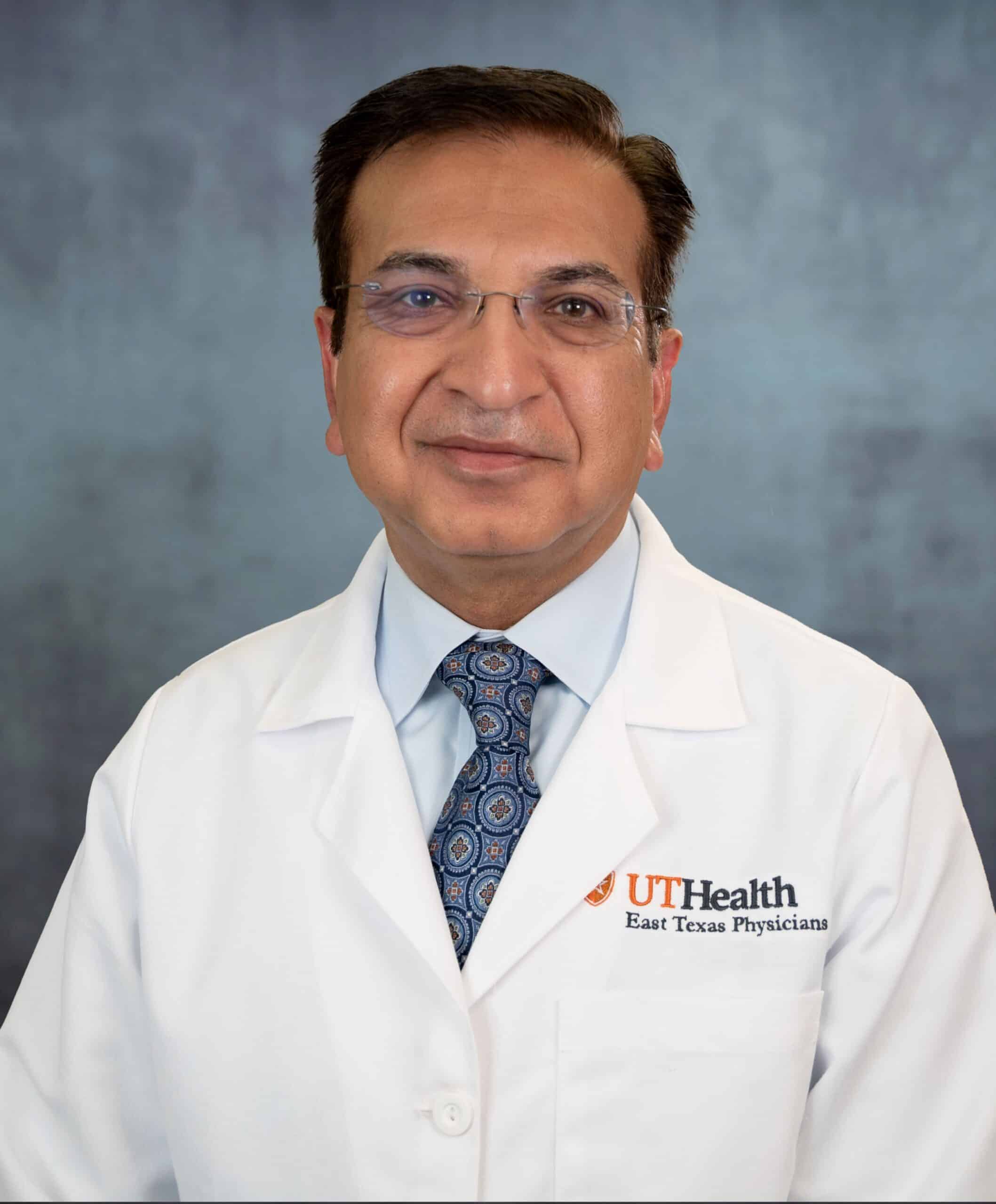
Tyler, Texas (March 5, 2026) — Ghulam Abbas, MD, a board-certified thoracic surgeon and internationally recognized leader in robotic thoracic surgery, has completed three groundbreaking procedures at UT Health Tyler — representing a first for the region and advancing access to minimally invasive thoracic and esophageal care across East Texas.
Dr. Abbas recently performed the first robotic-assisted esophagectomy at UT Health Tyler, marking a substantial advancement for patients with esophageal cancer and other complex esophageal diseases. Esophagectomy, removal of part or all of the esophagus, is among the most challenging thoracic procedures.
Historically, esophagectomies required large incisions, significant discomfort, and extended hospitalization. The robotic-assisted technique allows surgeons to work through small, strategically placed incisions that provide superior visibility and control. This less invasive approach can reduce complications, minimize blood loss, and shorten hospital stays.
“Having a surgeon of Dr. Abbas’ caliber offering highly advanced procedures is transformative for our patients,” said Michael Lamanteer, MD, Chief Medical Officer at UT Health East Texas. “Bringing together a multidisciplinary team to deliver comprehensive esophageal cancer care is changing the experience — and outcomes — for our patients.”
Dr. Abbas also recently performed the region’s first robotic-assisted first rib resection for the treatment of Thoracic Outlet Syndrome (TOS), a major milestone for patients who previously had no nearby access to this advanced minimally invasive technique. This is the first procedure of its kind performed in the greater Dallas and East Texas region.
TOS occurs when nerves or blood vessels are compressed between the collarbone and first rib, often requiring complex surgical intervention. Traditional open surgery involves a large incision and lengthy recovery. The robotic-assisted approach, performed using the da Vinci robotic surgical system, allows surgeons to operate with enhanced precision, 3D visualization, and superior dexterity through small incisions.
“Robotic-assisted surgery allows us to treat conditions like TOS with far greater accuracy and significantly less trauma to the patient,” said Dr. Abbas, who is also the past president of the Society of Robotic Surgery. “Our goal is always to provide the safest, most effective treatment possible while accelerating recovery and improving long-term outcomes. Bringing these capabilities to East Texas means patients don’t have to travel out of the region for world-class care.”
Dr. Abbas also has completed several POEM (Peroral Endoscopic Myotomy) procedures at UT Health Tyler. POEM is a minimally invasive, incisionless treatment for achalasia and other esophageal motility disorders. The technique is performed entirely through the mouth using a flexible endoscope, allowing precise cutting of the malfunctioning esophageal muscle to restore normal swallowing.
In addition, he has performed Z-POEM (Zenker’s Peroral Endoscopic Myotomy) to treat Zenker’s diverticulum, a pouch that forms in the upper esophagus. Traditional surgery required a neck incision, but Z-POEM accomplishes the same goal internally — without external incisions — resulting in reduced pain and faster recovery.